
Short Foot Exercise
📖 Table of Contents
- What Is the Short Foot Exercise?
- How Does It Help with Leg Length Discrepancy?
- How to Do the Short Foot Exercise Correctly
- How Long Does It Take to See Results?
- How to Incorporate the Short Foot Exercise into Your Daily Routine
- Combining the Short Foot Exercise with Other Movements
- Why the Short Foot Exercise Is a Game-Changer
- Make It Your Way
- Frequently Asked Questions
I remember the first time I noticed my left foot was slightly shorter than my right — it was during a yoga class when I tried to balance on one leg and my body kept tilting to the left. It was subtle, but it sparked a curiosity that led me to research leg length discrepancies and how they affect posture, gait, and even chronic pain. That's how I discovered the short foot exercise, a simple yet powerful movement that has since become a cornerstone of my daily routine.[1]
The short foot exercise isn't just for people with noticeable leg length differences. It's a foundational movement that can help anyone improve foot strength, balance, and overall body alignment. I started doing it every morning while drinking coffee, and within weeks, I noticed a significant improvement in how my body moved — it felt more grounded, more stable. It wasn't just about correcting an imbalance; it was about building a stronger foundation from the ground up.[2]
I've tried countless exercises over the years, from Pilates to strength training, but the short foot exercise has stood out for its simplicity and effectiveness. It doesn't require any special equipment, and it can be done anywhere — on a mat, in a chair, even on a carpeted floor. The real magic, though, is how it subtly shifts the way your body engages with the floor, creating a ripple effect up through your legs, hips, and core.[3]
Why You'll Love This Exercise
- Improves foot strength and stability with just a few minutes a day
- Enhances posture and balance by engaging the intrinsic foot muscles
- Helps correct leg length discrepancies when practiced consistently
- Boosts overall body awareness and alignment with minimal effort
What Is the Short Foot Exercise?
As of September 2026, the short foot exercise is a foundational movement that targets the small, often-overlooked muscles in the feet. These muscles, known as the intrinsic foot muscles, are essential for balance, posture, and proper gait. When these muscles are weak or underused, it can lead to a variety of issues, from plantar fasciitis to knee pain and even lower back discomfort.
To perform the short foot exercise, you simply lift your toes slightly off the ground while keeping your heel grounded. This action shortens the length of the foot, engaging the muscles that support the arch. It's a simple movement, but it's incredibly effective — I've noticed a real difference in my balance and posture just a few weeks after starting.
Many people don't realize how much their feet contribute to their overall health. The short foot exercise is a reminder that even the smallest muscles in the body can have a big impact on how you move and feel. It's a perfect exercise to start your day, and it takes just a few minutes to do.
When you perform the short foot exercise, focus on pulling your toes toward your shin. This creates a shortening effect that engages the intrinsic foot muscles more effectively. I've found that this subtle movement makes a noticeable difference in how I feel throughout the day.
How Does It Help with Leg Length Discrepancy?
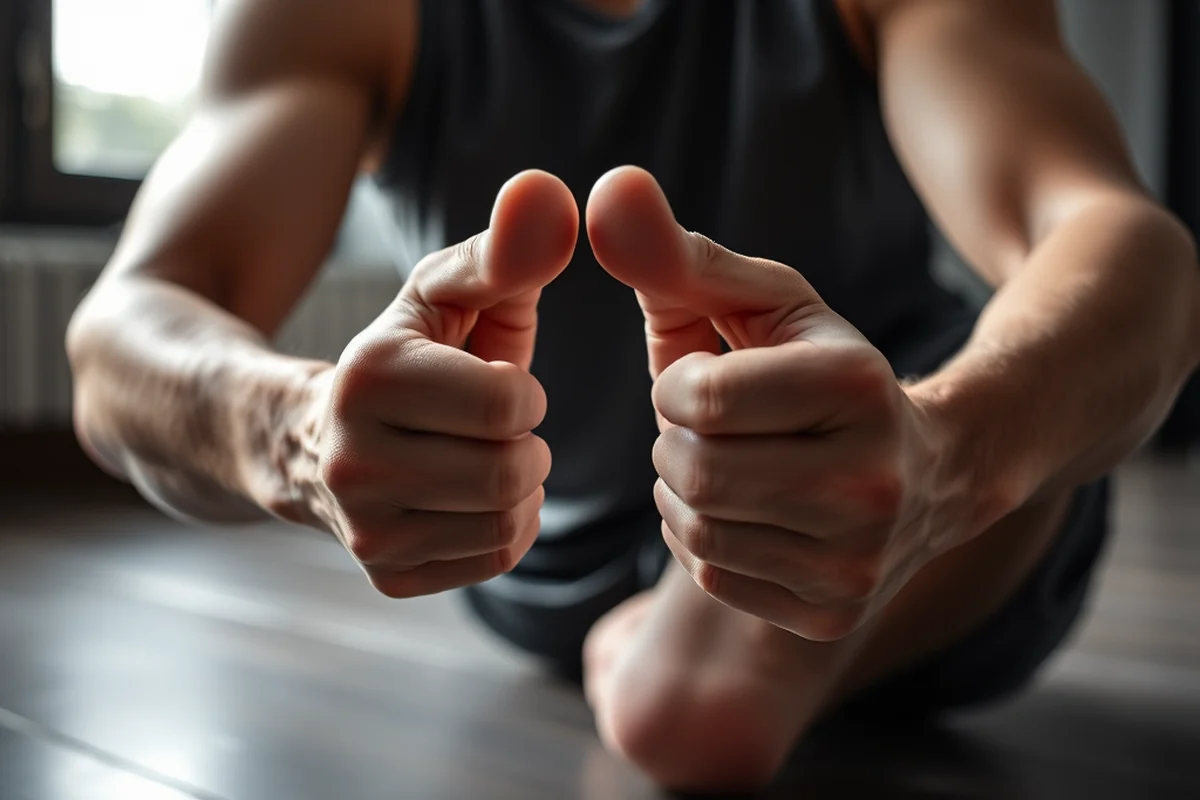
Leg length discrepancies, whether structural or functional, can cause a host of issues, from chronic pain to poor posture. The short foot exercise helps by strengthening the muscles that support the foot and ankle, which can help compensate for any imbalances in leg length. I've used it as part of a broader approach to manage my own leg length discrepancy, and it's made a noticeable difference in how I move.
One of the most significant benefits of the short foot exercise is its ability to improve the alignment of the foot and lower leg. By engaging the intrinsic foot muscles, you can shift the way your body distributes weight, which may help reduce the strain on the longer leg. This is especially helpful for people with a functional leg length discrepancy, where the difference is due to muscle tightness or weakness.
It's important to remember that the short foot exercise is not a cure-all for leg length discrepancies. It's a tool that, when combined with other exercises and possibly orthotics, can help manage the condition more effectively. I've found that consistency is key — doing the exercise daily has led to more noticeable results over time.
A few minutes a day can lead to meaningful changes in how your body moves and feels.
Related: Leg joint exercises
Related: Home Workout Equipment For Legs
Related: How To Short Foot Exercise
Related: Leg Exercise With Resistance Bands
Related: Exercise Bands For Legs
Related: Bent Knee Calf Raise
How to Do the Short Foot Exercise Correctly
Correct form is essential when performing the short foot exercise. Start by standing barefoot on a flat surface, with your feet hip-width apart. Then, lift your toes slightly while keeping your heels grounded. This shortens the length of your foot and activates the intrinsic foot muscles. It's important to maintain a neutral spine and avoid leaning forward or backward.
I often practice the short foot exercise while holding onto a wall or chair for support, especially when I'm just starting out. This helps me focus on the movement without worrying about balance. Over time, as my foot strength improves, I can do the exercise without any support. It's a great way to build confidence and stability.
One of the best ways to ensure you're doing the exercise correctly is to watch your form in a mirror. This allows you to make adjustments in real time. I've found that watching myself do the exercise helps me stay aware of my alignment and muscle engagement throughout the movement.
Standing in front of a mirror while doing the short foot exercise can help you observe your form and make adjustments on the spot. I've used this technique to refine my movement and ensure I'm engaging the right muscles every time.
“I remember the first time I noticed my left foot was slightly shorter than my right — it was during a yoga class when I…”— Leg Length Discrepancy Exercises editors
Related: Leg workout checklist
How Long Does It Take to See Results?
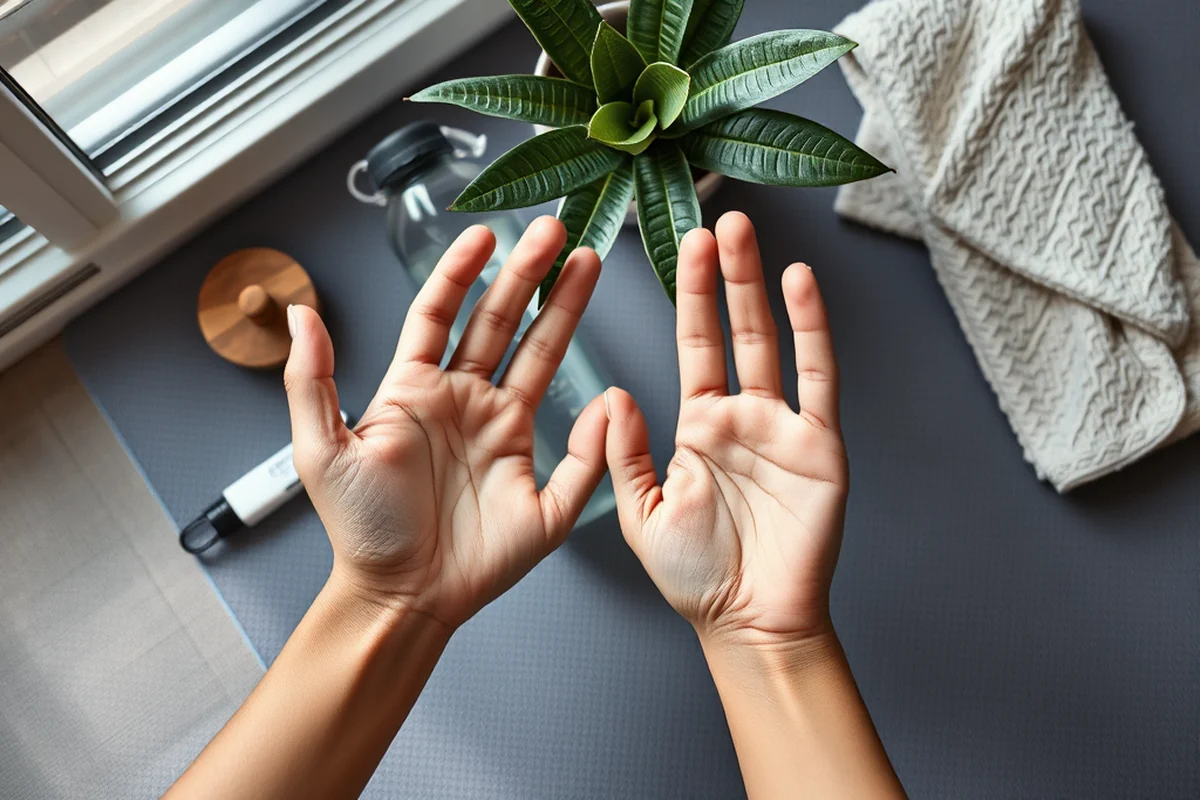
When I first started doing the short foot exercise, I noticed a difference in my balance and posture within about a week. It wasn't dramatic, but it was enough to make me want to continue. Over the next few weeks, I felt my feet become more stable, and I had less pain in my knees and lower back.
Results can vary depending on how often you do the exercise and your overall fitness level. I do the short foot exercise every morning for about five minutes, and I've seen improvements in my overall body alignment and strength. Some people may need to do the exercise more frequently or combine it with other exercises to see faster results.
It's important to be patient and consistent when doing the short foot exercise. I've found that doing it daily, even for just a few minutes, leads to the best results over time. It's not a quick fix, but it's a powerful tool for long-term improvement.
Related: Leg exercises with barbell
How to Incorporate the Short Foot Exercise into Your Daily Routine
I've found that the best time to do the short foot exercise is in the morning, when my body is fresh and I'm more aware of my movements. However, I've also started doing it during my lunch break and before bed, and I've noticed that it helps me stay more grounded throughout the day. It's a great way to reset your body's alignment and engage the intrinsic foot muscles at different times.
One of the advantages of the short foot exercise is that it doesn't require any special equipment or a specific location. I've done it on the floor of my office, on a mat at the gym, and even on a carpeted floor at home. It's a versatile exercise that can be done almost anywhere, which makes it easy to fit into a busy schedule.
I recommend starting with just a few minutes a day and gradually increasing the time as your strength improves. I've noticed that doing the exercise for a few minutes multiple times a day gives me better results than doing it for a longer period once a day. It's all about consistency and making it a part of your daily routine.[4]
Related: Leg exercises in a chair
Combining the Short Foot Exercise with Other Movements
I often combine the short foot exercise with other foot and lower body movements, such as toe spreads, calf raises, and hip rotations. This helps me target different muscle groups and improve overall body alignment. It's a great way to build strength and stability from the ground up.
One of the best ways to enhance the short foot exercise is to pair it with balance training. For example, I'll do the short foot exercise while standing on one leg or while using a balance pad. This not only strengthens the feet but also improves balance and coordination.
I've also found that combining the short foot exercise with core engagement movements, such as planks or bridges, helps create a more integrated approach to body alignment and strength. It's a powerful way to improve overall posture and movement patterns.
Pairing the short foot exercise with other movements can lead to a more balanced and stronger body.
Related: Safest leg exercises
Why the Short Foot Exercise Is a Game-Changer
What makes the short foot exercise so special is its simplicity and accessibility. It doesn't require any special equipment or a gym membership, making it an ideal exercise for people of all ages and fitness levels. I've seen people from all walks of life benefit from it, from athletes to office workers to older adults.
One of the most surprising things I've learned is how effective the short foot exercise can be for people with chronic pain or mobility issues. It's a gentle but powerful way to improve foot strength and body alignment, which can have a ripple effect on other parts of the body. I've seen it help people with plantar fasciitis, knee pain, and even lower back discomfort.
I've come to appreciate the short foot exercise not just for its physical benefits, but for the way it makes me more aware of my body. It's a reminder that even the smallest movements can have a big impact on how we move and feel. It's a tool that I've come to rely on for both strength and stability.
👣 Beginner: Barefoot on Carpet
Start on a soft carpeted surface with no support, focusing on engaging the intrinsic foot muscles.
💰 Budget: Minimalist Setup
Do the exercise barefoot on a flat, clean surface — no equipment needed.
⏱️ Fastest: 3-Minute Routine
Do the short foot exercise for 3 minutes, three times a day, for rapid results.
⚖️ Advanced: Balance Challenge
Combine the short foot exercise with one-legged balance to build strength and stability.
🔄 Maintenance: Daily Reset
Do the short foot exercise for 2 minutes in the morning and evening to maintain alignment and strength.
| The mistake | Why it happens | The fix |
|---|---|---|
| Doing the exercise with your heels lifted | Lifting your heels reduces the effectiveness of the short foot exercise and can lead to improper alignment. | Keep your heels grounded while lifting your toes slightly for the correct form. |
| Not engaging the intrinsic foot muscles | Failing to engage the intrinsic foot muscles reduces the effectiveness of the exercise and limits the benefits. | Focus on pulling your toes toward your shin to activate the intrinsic foot muscles. |
| Doing the exercise too quickly | Doing the short foot exercise too quickly can lead to poor form and reduce the effectiveness of the movement. | Take your time and focus on the quality of the movement rather than the speed. |
| Ignoring pain or discomfort | Ignoring pain or discomfort during the exercise can lead to injury and hinder progress. | If you experience pain or discomfort, stop the exercise and consult a healthcare professional. |
Short Foot Exercise
Common Questions
Can the short foot exercise help with plantar fasciitis?
How long should I do the short foot exercise each day?
Can I do the short foot exercise if I have a foot injury?
Can I do the short foot exercise on a hard surface?
References
- Growing Stronger - Strength Training for Older Adults - CDC (cdc.gov)
- FAR Overhaul - Part 52 - Acquisition.GOV (acquisition.gov)
- Critical review of the evidence for Vojta Therapy: a systematic ... - PMC (pmc.ncbi.nlm.nih.gov)
- Psychosocial Determinants Influencing Recovery (PDIR) - Lni.wa.gov (lni.wa.gov)
Cite this guide
Leg Length Discrepancy Exercises (2026). Short Foot Exercise. https://realignhelp.com/short-foot-exercise/
Feel free to cite or share this guide.