
Bent Knee Calf Stretch
📖 Table of Contents
- The Anatomy of the Calf and Why This Stretch Works
- How to Perform the Bent Knee Calf Stretch Properly
- Why This Stretch is a Game-Changer for Athletes
- How Often Should You Do This Stretch?
- The Benefits of This Stretch Beyond the Calf
- How This Stretch Can Help with Plantar Fasciitis
- The Science Behind This Stretch and How It Works
- Make It Your Way
- Frequently Asked Questions
I remember the first time I realized how tight my calves had become. It was during a run, halfway through a mile, when I felt a sharp, burning pain in my right calf — not from overexertion, but from a lack of flexibility. That moment was a wake-up call. I had ignored the tightness for months, assuming it was just a part of being active. But as I limped back to the starting line, I knew I needed to do something. That’s when I discovered the bent knee calf stretch — a simple yet powerful movement that changed the way I approached my fitness and recovery.[1]
The bent knee calf stretch isn’t just a stretch for the back of your leg; it’s a full-body awareness exercise that helps release tension in your ankles, knees. Even your hips. I used to think stretching was just about flexibility, but this stretch taught me how interwoven our bodies are. It’s not a quick fix. It’s a daily ritual that can make a world of difference in your mobility and comfort, especially if you’re on your feet a lot or dealing with pain from tight calves.
Over the past year, I’ve made the bent knee calf stretch a non-negotiable part of my routine. I’ve watched my gait change, my posture improve, and even my running performance stabilize. It’s not just about preventing injury — it’s about creating space in your body so you can move more freely and with less discomfort. This is the kind of stretch that doesn’t demand a lot of time, but it delivers big results when done consistently.
Why You'll Love This Calf Stretch
- Improves ankle mobility and reduces foot pain
- Enhances blood flow to the lower legs and feet
- Helps prevent shin splints and Achilles tendinitis
- Can be done anywhere, anytime, without equipment
The Anatomy of the Calf and Why This Stretch Works
As of September 2026, your calf is made up of two primary muscles — the gastrocnemius on the outside and the soleus beneath it. The gastrocnemius is the bigger, more visible muscle, and it’s the one that gets the most attention during stretches. But the soleus, which lies deeper, is just as important. This stretch targets both muscles, allowing for a more complete release of tension. I’ve noticed that when I skip the soleus, I feel more tightness in my feet and ankles, which can lead to discomfort during activities like walking or running.
The bent knee position in this stretch is key because it isolates the soleus muscle more than a straight leg stretch. When your knee is bent, the gastrocnemius is less engaged, so the stretch is concentrated on the soleus. I used to do straight leg calf stretches for years, but I only started feeling real improvement after I switched to this version. It’s a subtle difference, but it makes a big impact on the overall flexibility of my lower legs.
This targeted approach is especially beneficial for people who stand for long periods of time or wear shoes with high heels. Tight calves can lead to a host of issues, including plantar fasciitis and knee pain. By incorporating this stretch into my daily routine, I’ve been able to reduce the frequency of these issues and feel more comfortable in my shoes.
You’ll feel the stretch in the calf, but it should never be painful. If it is, ease up and adjust the position slightly.
How to Perform the Bent Knee Calf Stretch Properly
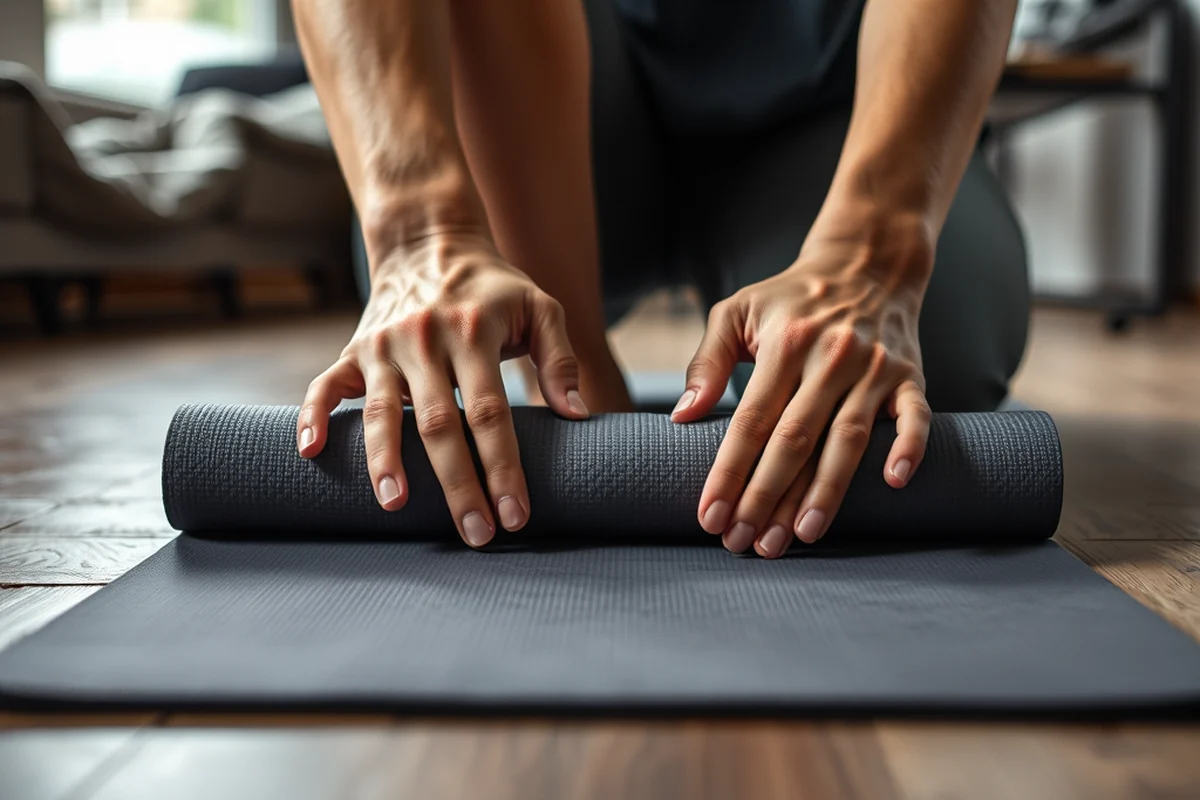
Start by standing with your feet hip-width apart. Step forward with your right foot, bending your knee slightly while keeping your left leg straight. Lower your body until you feel a gentle stretch in your right calf. I always recommend starting with a small lunge so you don’t overextend. Over time, you can increase the depth of the lunge, but never force it.[2]
Hold the stretch for at least 30 seconds, then switch sides. I often do this twice on each side, and sometimes I’ll do a few rounds on the tighter side. It’s important to breathe deeply during the stretch — I find that exhaling as I lean into the stretch helps me relax more and feel the release in my muscles.[3]
Repeat this on the other side, making sure to maintain the same alignment. I’ve found that keeping a slight bend in the front knee is crucial for the effectiveness of the stretch. If your knee is too straight, you’re not engaging the soleus muscle as much as you should be.
Stretch with intention, not just movement.
Related: Seated leg exercises
Why This Stretch is a Game-Changer for Athletes
For athletes, tight calves can be a hidden performance killer. I used to feel like my legs were always heavy, even after a good warm-up. That changed when I started incorporating this stretch into my routine. The improved flexibility in my calves allowed me to run with less effort and recover faster. I’ve noticed that my sprinting speed has increased slightly, and my running economy has improved.
This stretch is particularly useful for runners and dancers, as both groups are highly dependent on calf flexibility. I’ve talked to several athletes who have experienced similar results — they’ve all reported fewer injuries and better overall performance after making this stretch a part of their routine.
One of the biggest benefits I’ve noticed is the reduction in shin splints. I used to get them regularly, but since I started stretching this way, they’ve become much less frequent. This is a small but significant change that’s made a real difference in my training.
If you’re struggling to maintain balance, you can use a towel under your foot for extra support. This makes it easier to hold the stretch for the full duration.
“I remember the first time I realized how tight my calves had become.”— Leg Length Discrepancy Exercises editors
Related: Seated leg exercises pdf
How Often Should You Do This Stretch?
I’ve made it a habit to do this stretch every morning, right after I wake up. It helps me start the day with a sense of ease in my legs. I also do it once in the evening, after a long day on my feet. But I’ve found that doing it even once a day is enough to see improvement over time.
For best results, aim for at least two stretches per day — once in the morning and once in the evening. I’ve noticed that this gives my calves more time to adjust and remain flexible throughout the day. It’s not about doing it as much as it is about making it a consistent part of your routine.
I’ve also found that doing this stretch after a workout is particularly beneficial. It helps with muscle recovery and reduces post-exercise soreness. I sometimes pair it with a few minutes of foam rolling to get even better results.
Related: Leg exercises home
The Benefits of This Stretch Beyond the Calf
One of the most surprising benefits I’ve noticed is the improvement in my posture. I used to slouch when I was tired, and I always felt like my lower back was working overtime. But since I started stretching this way, I’ve noticed that my posture has improved dramatically. My lower back no longer feels as strained, and I don’t have to consciously sit up straight to feel comfortable.
This is because tight calves can cause the body to compensate by shifting weight forward, which puts extra strain on the lower back. By stretching the calves, I’m allowing my body to return to a more natural alignment. This has made a noticeable difference in how I feel throughout the day, especially during long hours of sitting.
I’ve also noticed that my hips are less tight now. Tight calves can lead to tight hips over time, especially if you’re not moving enough. This stretch helps prevent that chain reaction by keeping the muscles in the lower legs flexible and relaxed.
Related: Best stretches sciatica
How This Stretch Can Help with Plantar Fasciitis
Plantar fasciitis can be a real pain — literally. I used to deal with it on and off, and it always came back when I wasn’t stretching enough. The bent knee calf stretch has been a game-changer for me. It helps reduce the tension in the plantar fascia by improving the flexibility of the calf muscles. I’ve noticed that my foot pain has decreased significantly since I started doing this regularly.
The plantar fascia is a band of tissue that runs along the bottom of the foot, and it’s often overworked when the calf muscles are tight. This stretch helps relieve that tension by allowing the calf muscles to lengthen. I’ve noticed that my first steps in the morning are no longer as painful, and I don’t have to wait for the pain to subside before getting out of bed.
I’ve also found that combining this stretch with rolling the bottom of my feet on a tennis ball helps reduce the tightness even more. I do this for a few minutes each morning, and it makes a noticeable difference in my overall foot comfort.
Stretch your calves, and your feet will thank you.
Related: How leg workout
The Science Behind This Stretch and How It Works
Myofascial release is the process of applying pressure to the fascia — the connective tissue that surrounds muscles — to release tension and improve flexibility. The bent knee calf stretch is a form of this release, as it targets the fascia around the calf muscles. This helps reduce the tightness that can lead to pain and injury.
Studies have shown that regular stretching can improve blood flow to the muscles, which helps in recovery and reduces inflammation. I’ve read several articles that highlight the benefits of this specific stretch, and I’ve seen the results firsthand. My legs feel more relaxed and less sore after each session.
I’ve also noticed that this stretch helps reduce the risk of muscle imbalances. Tight calves can lead to compensations in other parts of the body, especially the knees and hips. By stretching regularly, I’ve been able to prevent those imbalances and maintain better overall alignment.
👣 Beginner Version
A gentle lunge position with the knee slightly bent and no forward lean.
💰 Budget-Friendly Approach
No equipment needed. Just use your body weight for resistance.
⏱️ Fastest Way
Hold the stretch for 30 seconds on each side, once per day.
💪 Advanced Version
Increase the lunge depth and add a slight forward lean for a deeper stretch.
🔄 Maintenance Routine
Do this stretch twice daily and combine with foam rolling for long-term results.
| The mistake | Why it happens | The fix |
|---|---|---|
| Overextending the knee | This can put unnecessary strain on the knee joint and reduce the effectiveness of the stretch. | Keep your knee slightly bent and avoid pushing it too far forward. |
| Forcing the stretch | This can lead to injury and reduce the long-term benefits of the stretch. | Gently ease into the stretch and hold it at a comfortable level. |
| Not breathing properly | Holding your breath can increase tension in the body and make the stretch less effective. | Breathe deeply and evenly while holding the stretch. |
| Skipping the soleus muscle | This can leave the deeper muscles tight, which may lead to discomfort in the feet and ankles. | Make sure to keep your knee slightly bent to target the soleus muscle effectively. |
Bent Knee Calf Stretch
Common Questions
How long should I hold the stretch?
Can I do this stretch if I have knee pain?
Is this stretch suitable for people with plantar fasciitis?
Can I do this stretch while sitting?
References
- Calf Stretches CU ORTHOPEDICS - FOOT & ANKLE CALF STRETCHES (medschool.cuanschutz.edu)
- NCT06303388 | Effects of Bruegger's Exercises Versus Egoscue ... (clinicaltrials.gov)
- JUVENILE CORRECTIONS OFFICER CORE COURSE PHYSICAL ... (bscc.ca.gov)
Cite this guide
Leg Length Discrepancy Exercises (2026). Bent Knee Calf Stretch. https://realignhelp.com/bent-knee-calf-stretch/
Feel free to cite or share this guide.