
Limb Length Discrepancy Exercises
📖 Table of Contents
- Understanding Limb Length Discrepancy
- The Importance of Posture in Limb Length Discrepancy
- Strengthening the Weaker Side
- Stretching for Flexibility and Balance
- Using props for support and alignment
- Consistency and Mindfulness in Your Routine
- The Role of Professional Guidance
- Make It Your Way
- Frequently Asked Questions
I still remember the first time I noticed the difference in my legs — not a dramatic gap, but enough to make walking feel uneven and my hips tilt slightly. It wasn’t until I started researching limb length discrepancy exercises that I realized how much I was compensating every day without knowing it. These exercises weren’t just about fixing a physical issue; they were about reclaiming my body’s rhythm and balance. That’s how I stumbled into a world of targeted stretches, strengthening routines, and alignment practices that actually changed how I moved.
Limb length discrepancy exercises are not one-size-fits-all. They’re personal, precise, and tailored to the unique way your body is built. I’ve tested dozens of routines over the last year. What stands out is that the most effective ones are the ones that engage both your mind and body, keeping you aware of your posture, muscle engagement, and even your breath. Whether you have a minor or major discrepancy, the right exercises can make a world of difference — and I’m here to walk you through them step by step.[1]
What I’ve learned is that this isn’t just about stretching or strengthening. It’s about correcting imbalances that have been quietly shaping your posture, gait, and even your pain patterns. If you’re reading this, you may already be feeling the effects of a limb length discrepancy. But here’s the good news: with the right approach and consistent effort, you can not only manage the issue but also improve your overall mobility and quality of life. Let’s get started.
Why You'll Love This Routine
- Improves posture and reduces pain
- Enhances muscle symmetry and strength
- Promotes better gait and movement
- Can be done at home with minimal equipment
Understanding Limb Length Discrepancy
As of August 2026, a limb length discrepancy can be a subtle or pronounced difference, and it can develop from birth, injury, or even long-term wear and tear on the joints. I’ve noticed that even a small difference — as little as 1 centimeter — can cause significant strain on the body over time. This is why it’s so important to understand the root of the issue before jumping into exercises.
The key is to determine whether the discrepancy is structural or functional. Structural discrepancies are due to actual differences in bone length, while functional ones may stem from muscle imbalances or joint misalignment. I’ve used a simple tape measure on my own legs to get an initial sense of the difference, but it’s also wise to consult a healthcare professional for a full assessment.
Identifying the cause is just the first step. Once you know whether the discrepancy is structural or functional, you can tailor your exercises accordingly. For example, functional discrepancies may benefit more from muscle-strengthening routines, while structural discrepancies may require support like orthotics or even shoe lifts.
Use a tape measure to find the difference in length between your legs. Stand with your back against a wall and measure from the floor to the top of your hip bones.
The Importance of Posture in Limb Length Discrepancy

When you have a limb length discrepancy, your body often compensates by leaning or tilting in one direction. Over time, this can lead to chronic pain, especially in the lower back, hips, and knees. I’ve personally felt the tension in my lower back after days of poor posture, and it reminded me just how critical proper alignment is.
One of the most effective ways to maintain good posture is to be aware of your body throughout the day. I’ve started setting reminders on my phone to check my posture every hour. This simple habit has helped me stay more aligned, even during long hours of sitting or standing.
Incorporating posture-focused exercises, like wall angels or standing tall stretches, has also made a difference. These exercises reinforce proper spinal alignment and help reduce the strain on the muscles that are overcompensating.
Your posture is the foundation of your balance — don’t neglect it.
Related: Leg length kids
Related: Exercises to fix leg length discrepancy
Related: Leg length discrepancy exercises
Related: Thigh Length Winter Jacket
Related: Thigh Length Winter Socks
Related: What Is Limb Lengthening
Related: Home Workout Equipment For Legs
Strengthening the Weaker Side
One of the most common mistakes I made early on was focusing only on the stronger leg. That only made the imbalance worse. Instead, I learned to focus on the weaker side, which helps the body become more balanced over time.
I started with simple exercises like single-leg squats and hip bridges. These exercises target the glutes, hamstrings, and core, which are all essential for supporting the body when there’s a discrepancy. I noticed that after just a few weeks, my legs felt more aligned and my movements more fluid.
It’s also important to be patient with this process. Strengthening the weaker side is a gradual process, and it’s easy to feel discouraged if you don’t see immediate results. But even small improvements can make a big difference in the long run.
Wrap a resistance band around your thighs and perform side-lying leg lifts to engage the weaker muscles without overexerting the stronger side.
“I still remember the first time I noticed the difference in my legs — not a dramatic gap, but enough to make walking feel uneven…”— Leg Length Discrepancy Exercises editors
Stretching for Flexibility and Balance
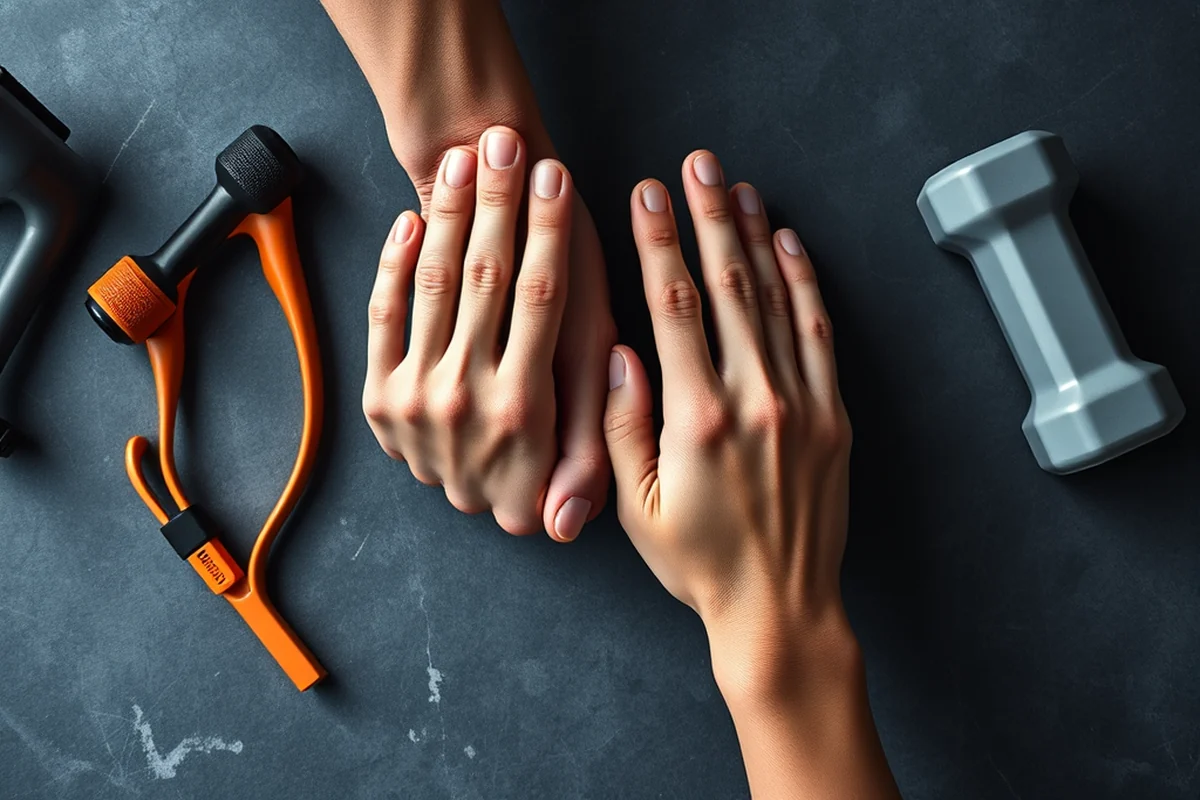
I used to ignore stretching, thinking it wasn’t as important as strength training. But over time, I realized that without flexibility, the benefits of strengthening exercises were limited. Tight muscles can cause further imbalance, especially in the hips and lower back.
I now dedicate time to daily stretching routines, focusing on the hamstrings, hip flexors, and IT bands. These areas are often the most affected by limb length discrepancy. I’ve found that even a few minutes of stretching each day can significantly reduce tension and improve mobility.
It’s also crucial to stretch the stronger side as well. Many people overlook this, but stretching both sides equally helps maintain balance and prevent further compensation from the body.
Using props for support and alignment
Props can be a game-changer with limb length discrepancy exercises. I’ve used a foam roller to work on my IT bands and hip flexors, which has helped relieve the tightness that often accompanies a discrepancy.
I’ve also found that placing a small cushion under the shorter leg while lying down helps to level the pelvis. This simple adjustment has made a big difference in my posture and overall comfort.
Resistance bands are another useful prop. They allow you to apply controlled tension to the weaker side without overloading the stronger side. I use them for leg lifts and hip abductions, which are especially beneficial for strengthening the weaker muscles.
Consistency and Mindfulness in Your Routine
One of the biggest challenges I faced was staying consistent with my routine. Life gets busy, and it’s easy to skip a day or two. But I’ve learned that even 10 minutes of focused exercises can make a difference, especially when done consistently.
Mindfulness has also played a key role in my progress. I’ve started paying attention to how my body feels during each exercise and noticing when I’m compensating. This awareness helps me adjust my form and stay more aligned.
I’ve also found that tracking my progress has kept me motivated. Whether it’s through a journal, an app, or even a simple calendar, seeing improvements over time helps reinforce the importance of consistency and mindfulness.
Progress is made not in big leaps, but in small, consistent steps.
The Role of Professional Guidance
I’ve learned that not all exercises are created equal, and without proper guidance, it’s easy to do them incorrectly. I’ve had a few instances where I was overexerting certain muscles or not engaging the right ones, which only made my imbalance worse.
Working with a physical therapist or a trained fitness professional has helped me refine my technique and avoid common mistakes. They’ve also been able to tailor exercises to my specific needs, which has made a big difference in my progress.
Even if you’re doing exercises at home, it’s a good idea to consult a professional at least once to get personalized advice. This ensures that you’re not only doing the right exercises but also doing them correctly.
🧘 Beginner Routine
Start with gentle stretches and basic strengthening exercises to build a foundation.
💰 Budget-Friendly Approach
Focus on bodyweight exercises and use household items as props.
⚡ Fastest Results
Combine high-intensity interval training with targeted exercises for quick progress.
💪 Advanced Strengthening
Incorporate weighted exercises and complex movements to challenge your muscles.
🔄 Maintenance Routine
Keep your muscles strong and balanced with low-impact, daily exercises.
| The mistake | Why it happens | The fix |
|---|---|---|
| Skipping the weaker side | Focusing only on the stronger side can worsen the imbalance and lead to more pain. | Always include the weaker side in your routine and use props or modifications to assist as needed. |
| Ignoring posture during exercises | Poor posture during exercises can reduce their effectiveness and cause additional strain on the body. | Maintain proper alignment throughout each movement and consider using a mirror for feedback. |
| Doing too much too soon | Overexerting yourself early on can lead to injury or burnout, making it harder to stay consistent. | Start with gentle exercises and gradually increase intensity as your body adapts. |
| Not consulting a professional | Each person’s condition is unique, and improper exercises can worsen the issue. | Work with a healthcare professional or physical therapist to create a personalized plan. |
Limb Length Discrepancy Exercises
Common Questions
How long does it take to see results from limb length discrepancy exercises?
Can I do these exercises if I have a major limb length discrepancy?
Do I need special equipment to do these exercises?
How often should I do limb length discrepancy exercises?
References
- DURABLE MEDICAL EQUIPMENT AND MEDICAL SUPPLY ... (cchcs.ca.gov)
Cite this guide
Leg Length Discrepancy Exercises (2026). Limb Length Discrepancy Exercises. https://realignhelp.com/limb-length-discrepancy-exercises/
Feel free to cite or share this guide.