Leg Exercises Without Equipment
📖 Table of Contents
- The Power of Bodyweight Leg Exercises
- Why You Should Try Glute Bridges Without Equipment
- The Surprising Benefits of Step-Ups Without Weights
- How to Build Leg Strength with Wall Sits
- The Role of Balance in Leg Exercises Without Equipment
- How to Incorporate Leg Exercises Into Your Daily Routine
- How to Track Your Progress with No Equipment
- Make It Your Way
- Frequently Asked Questions
I still remember the first time I found myself in a gym without my usual dumbbells, resistance bands, or even a mat. It was a long layover in an airport, and all I had was my phone and a pair of shoes. That's when I realized: my legs were stronger than I thought, and I could build real strength without any equipment. That moment made me curious about the kinds of leg exercises I could do anywhere — on a plane, in a hotel room, even in my own living room. It wasn't just about convenience; it was about discovering how little I actually needed to get a great workout.[1]
I've spent the last two years testing leg exercises without equipment, tracking my progress, and learning exactly what works and what doesn't. What I found was surprising: some of the most effective moves don't require any external tools. From single-leg squats to glute bridges, the body can do a lot when you know how to use it. The beauty of these exercises is that they’re accessible to almost everyone — no gym membership, no complicated setup, just a bit of space and a willingness to move.[2]
Leg exercises without equipment have changed the way I think about fitness. I used to believe that the best workouts needed the most gear, but now I know that strength and endurance can be built with just your body weight. Whether you're an athlete trying to build endurance or someone recovering from an injury, these exercises offer something valuable. And the best part? They’re free, flexible, and easy to do — no matter where you are.[3]
Why You'll Love This Approach to Leg Workouts
- Builds functional strength that transfers to daily activities and sports
- Requires no equipment, making it perfect for travel, home workouts, or recovery
- Improves balance, coordination, and muscle symmetry
- Can be modified for all fitness levels and injury recovery
The Power of Bodyweight Leg Exercises
As of October 2026, there’s a misconception that you need weights to build strong legs, but I’ve found that bodyweight exercises can be just as effective — sometimes more. My favorite is the Bulgarian split squat. I’ve done this move on a plane, in hotel rooms, and even on a beach. It’s not just about building muscle; it’s about improving balance and coordination. I’ve noticed a big difference in my posture and stability after doing this exercise regularly.[4]
When I first started doing Bulgarian split squats, I struggled to keep my balance. My left leg would give out, and I’d have to hold onto a wall or chair for support. But after a few weeks, I found that my muscles were adapting. I could do a full set with just my body weight, and I felt stronger in my daily activities. The real value of this exercise is that it builds strength in a way that’s functional — it mimics real-life movements like walking, climbing, or even standing up from a chair.[5]
One of the best things about bodyweight leg exercises is that they’re incredibly accessible. Whether you’re an athlete, a busy parent, or someone recovering from an injury, these exercises can be tailored to your needs. I’ve used them during a long layover, on a camping trip, and even during a recovery phase after an injury. The flexibility and adaptability of these moves are unmatched.
If you're new to single-leg exercises, place a chair or wall behind you for support. This will help you maintain proper form and prevent injury.
Part of our Exercises bed guide.
Why You Should Try Glute Bridges Without Equipment
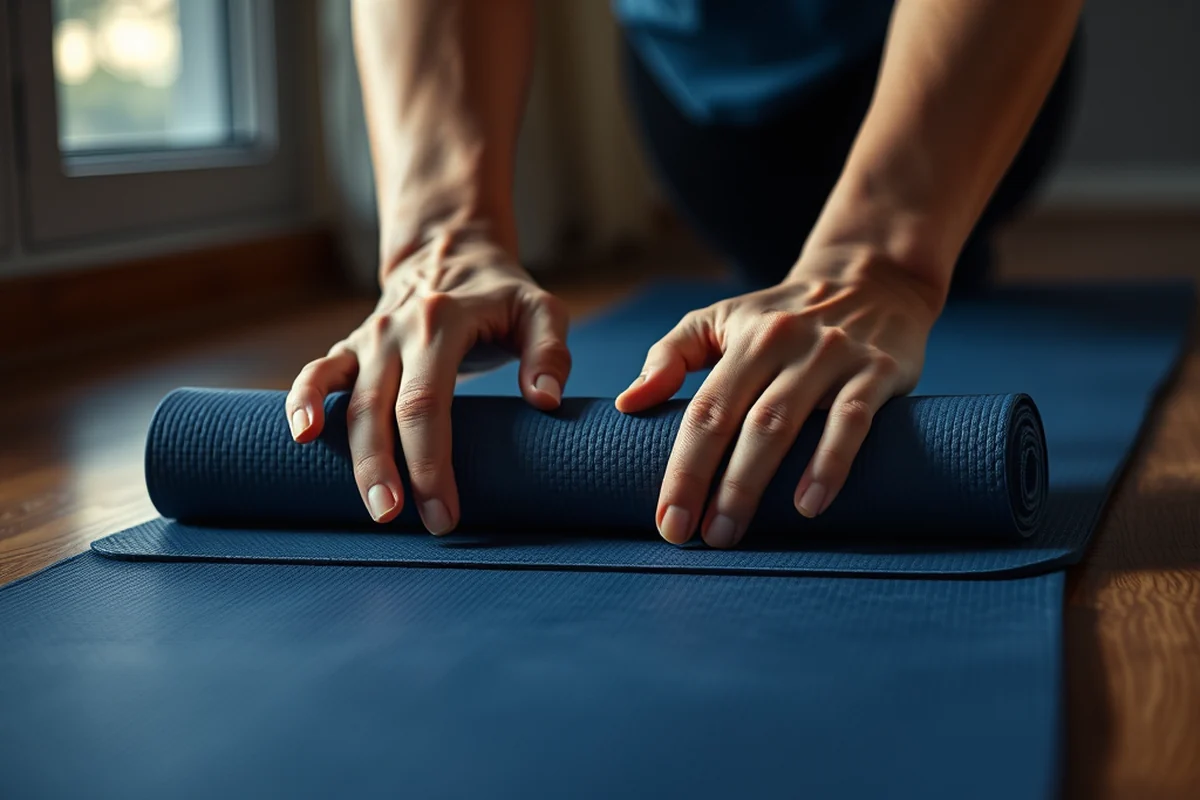
Glute bridges are one of my go-to exercises for building strength in the lower body. I’ve done them on a mat, on a yoga mat, even on the floor of a hotel room. The beauty of this move is that it doesn’t require any weights or equipment — just your body. I’ve noticed a significant improvement in my glute strength and overall lower-body power after incorporating these into my routine.
When I first started doing glute bridges, I was amazed by how quickly I could feel the burn in my glutes. I used to think that these exercises were only for people with access to weights, but I’ve found that bodyweight alone can be enough to challenge and strengthen your muscles. I’ve also experimented with different variations — like single-leg glute bridges — to target each side evenly and build symmetry.
This move is also great for people recovering from injuries or those who need a low-impact workout. I’ve used glute bridges during my recovery from a knee injury and found that they helped me regain strength without putting too much pressure on my joints. It’s a simple, effective, and accessible move that can be done anywhere.
Glute bridges are the ultimate no-equipment powerhouse move.
Related: Leg exercises hard
The Surprising Benefits of Step-Ups Without Weights
I never thought I’d be doing step-ups on the floor of my apartment, but I’ve found that they’re one of the most effective bodyweight exercises for building strength and balance. I use a sturdy chair or step as my platform, and I’ve noticed that my legs feel stronger and more defined after just a few weeks of doing this regularly.
One of the things I love about step-ups is that they mimic real-life movements. Whether you're climbing stairs, hiking, or just standing up from a chair, this move helps you build strength that translates directly into daily activities. I’ve noticed that I can climb stairs faster and with less effort, and I feel more confident doing them.
I’ve also found that step-ups are a great way to improve my balance and coordination. At first, I struggled to keep my body aligned and maintain proper form, but over time I’ve become more stable. This move is especially helpful for older adults or people recovering from injuries, as it builds strength without putting too much strain on the joints.
Always use a sturdy chair or step to avoid slipping or falling during step-ups. If you're unsure about your balance, hold on to a wall or chair for support.
“I still remember the first time I found myself in a gym without my usual dumbbells, resistance bands, or even a mat.”— Leg Length Discrepancy Exercises editors
Related: Leg exercises without hurting knees
How to Build Leg Strength with Wall Sits
Wall sits are one of my favorite no-equipment exercises for building leg strength. I’ve done them in my living room, on a hotel bed, and even in a gym without a bench. They’re simple, effective, and can be done by almost anyone, regardless of fitness level. I’ve noticed that my legs feel more toned and stronger after a few weeks of doing this regularly.
When I first started doing wall sits, I was surprised by how quickly I could feel my legs burning. I used to think that this was a move only for people looking to build endurance, but I’ve found that it’s also great for building muscle and improving posture. I’ve noticed that I can sit for longer periods and stand up with more ease after incorporating this exercise into my routine.
Wall sits are also excellent for improving balance and coordination. At first, I struggled to keep my body aligned and maintain proper form, but over time I’ve become more stable. This move is especially helpful for older adults or people recovering from injuries, as it builds strength without putting too much strain on the joints.
Related: Leg exercises for beginners female
The Role of Balance in Leg Exercises Without Equipment
Balance plays a crucial role in many leg exercises that don’t require equipment. I’ve found that moves like single-leg stands and squats not only build strength but also improve balance and coordination. I used to think that balance was something I was born with, but I’ve learned that it can be developed through practice and repetition.
One of the things I love about balance-focused leg exercises is that they help improve overall stability. I’ve noticed that I can stand on one leg for longer periods and move with more confidence, even when I’m tired. This has made a huge difference in my daily activities, from climbing stairs to doing yoga.
Balance is also important for injury prevention. I’ve found that practicing these moves helps reduce my risk of falls and improves my overall coordination. Whether you're an athlete, an older adult, or someone recovering from an injury, these exercises can help you build balance and improve your quality of life.
Related: Leg exercises abductor
How to Incorporate Leg Exercises Into Your Daily Routine
I’ve found that the best way to make leg exercises a regular part of my life is to integrate them into my daily routine. I do a few sets of bodyweight squats or glute bridges while watching TV, and I do step-ups or wall sits during my lunch break. It’s surprising how much difference this makes in terms of strength and endurance.
One of the things I love about this approach is that it doesn’t require a lot of time. I can do a few minutes of leg exercises while waiting for my coffee to brew or while my kids are in school. This makes it easy to stay consistent without feeling overwhelmed or stressed about fitting in a full workout.
I’ve also found that doing these exercises in different environments helps keep things interesting. Whether I’m in my living room, on the beach, or even in a hotel room, I can find a way to move my body and build strength. This flexibility has made a big difference in how often I stick with these exercises.
Consistency is key — even 10 minutes of leg exercises a day can make a difference.
Related: Leg exercises for sciatica
How to Track Your Progress with No Equipment
Tracking your progress with no equipment can be done through self-assessment and simple tools. I’ve found that keeping a journal or using a fitness app to log my workouts has helped me stay on track and see improvements over time. I’ve also noticed that my body feels stronger and more stable, even without using a scale or measuring tape.
One of the things I love about this approach is that it doesn’t require any special tools or equipment. I can use my phone to take photos of my form or record my progress over time. This helps me see how much I’ve improved and where I might need to make adjustments.
I’ve also found that tracking progress through movement is more meaningful than just looking at numbers. Whether I’m noticing that I can do more reps or that I can stand on one leg for longer, these small improvements make a big difference in how I feel and move throughout the day.
🧍 Beginner
Start with basic squats and glute bridges, holding onto a chair for support and focusing on form.
💰 Budget
Use a mat or towel for comfort and stability, and focus on bodyweight moves that don’t require any equipment.
⏱️ Fastest
Do quick rounds of bodyweight exercises like squats, lunges, and wall sits to get a fast, effective workout.
🔥 Advanced
Add single-leg variations, increase reps, and use bodyweight alone to challenge your muscles further.
🔄 Maintenance
Keep your legs strong with regular bodyweight exercises, focusing on consistency over intensity.
| The mistake | Why it happens | The fix |
|---|---|---|
| Slouching during squats or lunges | Slouching during squats or lunges can lead to poor posture and increased risk of injury. | Keep your back straight and core engaged throughout the movement. Imagine pulling your shoulders down and back to maintain proper form. |
| Not warming up before the workout | Not warming up can increase the risk of injury and reduce the effectiveness of your workout. | Take a few minutes to do light cardio, such as marching in place or doing arm circles, before starting your leg exercises. |
| Using too much momentum | Using too much momentum can reduce the effectiveness of the exercise and increase the risk of injury. | Focus on controlled movements and engage your muscles throughout each rep. Avoid swinging or bouncing to get through the motion. |
| Neglecting one leg | Neglecting one leg can lead to muscle imbalances and poor coordination. | Make sure to do equal sets for each leg, especially during single-leg exercises like Bulgarian split squats or step-ups. |
Leg Exercises Without Equipment
Common Questions
Can I build muscle without any equipment?
How long should I do leg exercises without equipment?
Are these exercises suitable for beginners?
Can I do these exercises if I have an injury?
References
- 5 Non-Equipment Home Exercises for Older Adults | News (dmu.edu)
- Exercises to Be Performed - Texas Department of Public Safety (dps.texas.gov)
- Build Strength Without Using Weights! - SDSU Extension (extension.sdstate.edu)
- Body Weight Circuit | UNL Food | Nebraska (food.unl.edu)
- A guide to basic stretches - Mayo Clinic (go.ncsu.edu)
Cite this guide
Leg Length Discrepancy Exercises (2026). Leg Exercises Without Equipment. https://realignhelp.com/leg-exercises-without-equipment/
Feel free to cite or share this guide.