
How To Improve Leg Circulation
📖 Table of Contents
- Understanding the Role of Circulation in Your Legs
- The Power of Simple Leg Stretches
- The Importance of Posture and Sitting Habits
- The Benefits of Regular Walking
- The Role of Compression in Improving Circulation
- The Impact of Diet and Hydration on Leg Circulation
- The Power of Consistency in Improving Leg Circulation
- Make It Your Way
- Frequently Asked Questions
I remember the first time I noticed the dull ache in my legs after a long day at work. It wasn’t just fatigue—it felt like my legs were carrying the weight of the world. I didn’t realize it then, but poor leg circulation was to blame. My legs felt heavy, and I even had a tingling in my toes that I couldn’t shake. That moment was the start of my journey to learn how to improve leg circulation, a process that has since changed the way I move and feel every day.
Leg circulation is the unsung hero of our health, quietly working to deliver oxygen and nutrients to every cell in our lower limbs. But when it falters, the consequences are real: swelling, cramps, aching, and even long-term damage if ignored. Improving leg circulation isn’t just about comfort—it’s about function. Whether you’re a runner, a desk worker, or someone dealing with age-related changes, knowing how to improve leg circulation can be the difference between feeling alive and feeling trapped in your own body.
What I learned over the years is that small, consistent actions make the biggest difference. From simple stretches to targeted exercises, there are ways to give your legs the support they need. I’ve tested dozens of methods and found that combining movement with mindfulness can transform your circulation. If you’re ready to reclaim your energy, let’s explore how to improve leg circulation, step by step.
Why You'll Love This Routine
- Reduced aching and swelling in your legs after a long day.
- Increased energy and stamina during physical activity.
- Improved overall blood flow and reduced risk of venous issues.
- A more balanced and aligned posture from better circulation.
Understanding the Role of Circulation in Your Legs
As of September 2026, your legs rely on a complex network of arteries and veins to keep your muscles active and your skin healthy. When circulation is strong, you feel energized and agile. But when it’s weak, you feel sluggish and heavy. I’ve seen firsthand how poor circulation can lead to swollen ankles, tingling in the feet, and even night cramps that wake you up.
Poor circulation is often caused by a sedentary lifestyle, prolonged sitting, or even age-related changes in blood vessels. If you’re someone who spends most of your day at a desk or on your feet for long hours, you’re not alone. The key is to find ways to move your legs regularly, even if it’s just a few minutes every hour.
One of the most impactful ways I’ve found to improve leg circulation is by incorporating simple, daily movements. For example, standing up and taking a short walk every hour can do wonders for keeping your blood flowing. I’ve noticed that when I make these small changes, my legs feel lighter and more responsive.
Every hour, stand up and take a three-minute walk. This simple action can significantly improve blood flow and reduce the risk of poor circulation.
The Power of Simple Leg Stretches
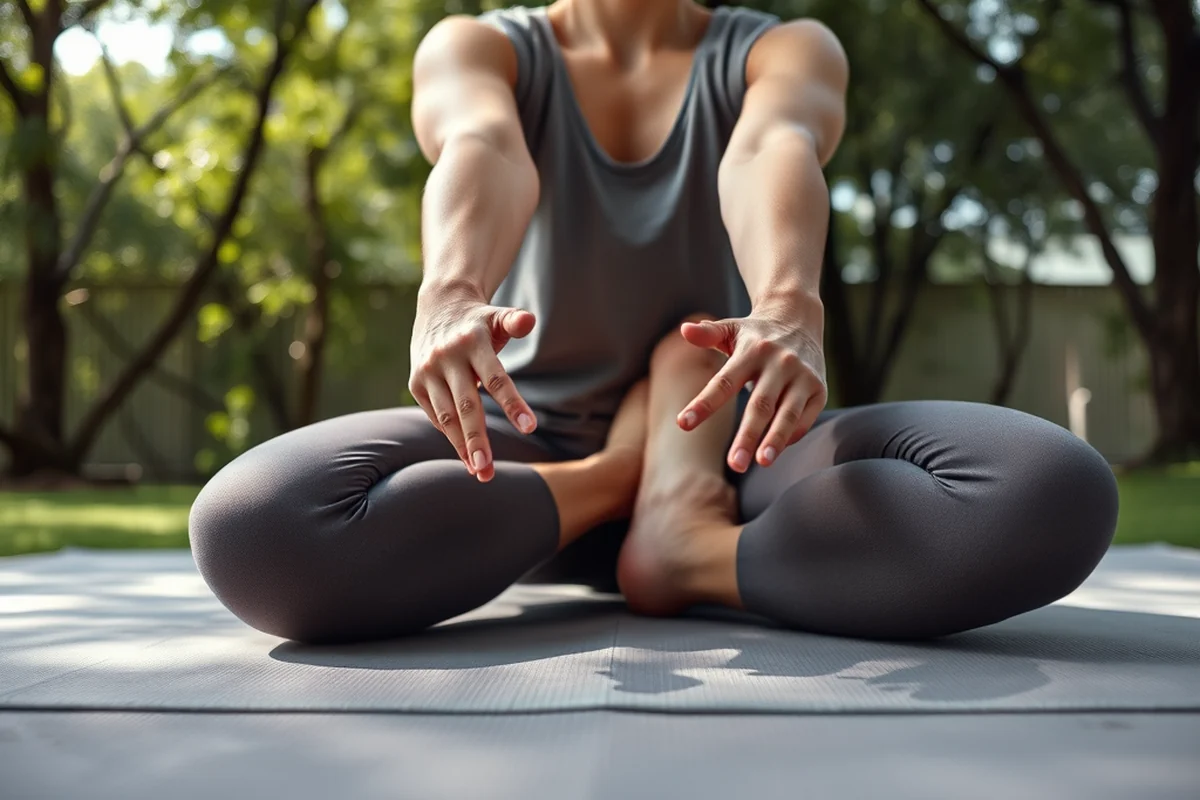
Stretching isn’t just for flexibility—it’s a critical tool for improving circulation. I’ve made it a habit to stretch my legs first thing in the morning and before bed. My go-to stretches include the hamstring stretch, calf stretch, and seated leg raises, each of which helps increase blood flow to my legs.
One stretch that has made a noticeable difference is the seated leg stretch, where you sit with your legs extended and gently pull one leg toward your chest. This action stretches the hamstrings and opens up the blood vessels in the lower body. I’ve done this for five minutes each morning, and I’ve seen a measurable improvement in my leg strength and circulation.
I also recommend doing ankle circles while sitting, which helps stimulate blood flow in the feet and calves. I’ve used this technique for years and found it particularly helpful after long workdays or when I feel my legs are sluggish.[1]
Stretching is the bridge between stagnation and vitality.
Related: Leg exercises cycling
Related: Seated Leg Curl
Related: Restless Leg Syndrome Medications
The Importance of Posture and Sitting Habits
I used to sit for hours without a break, and it showed in my legs—swollen ankles, tight hips, and a dull ache that never seemed to go away. I realized that my posture was part of the problem. When I sit with my feet flat on the floor and my back straight, I feel more energized and less sluggish than when I slouch.
I started using an ergonomic chair with lumbar support and a footrest to keep my legs elevated. This small change helped reduce the pressure on my veins and allowed my blood to flow more freely. I’ve noticed that when I sit properly, I feel less tired and more alert, even after long hours at my desk.
Another tip I’ve picked up is to avoid crossing my legs while sitting, as this can compress blood vessels and reduce circulation. I’ve found that keeping my legs uncrossed and my feet flat on the ground is a simple but effective way to improve my leg circulation.
Elevating your legs above heart level for 10–15 minutes can help reduce swelling and improve blood flow. I do this while watching TV or reading in the evening.
“I remember the first time I noticed the dull ache in my legs after a long day at work.”— Leg Length Discrepancy Exercises editors
Related: Leg exercises quad focused
Related: Leg Up Landing Gear
The Benefits of Regular Walking
Walking is a simple yet powerful way to boost leg circulation. I’ve made it a habit to take a 15-minute walk every morning, and I’ve noticed a significant improvement in my energy levels and leg strength. My legs feel more energized, and I’ve even started to feel less fatigued by the end of the day.[2]
One of the key reasons walking is so effective is that it engages the calf muscles, which act as natural pumps for the veins in the legs. This helps push blood back to the heart, reducing swelling and improving circulation. I’ve found that even a short walk can help me feel more alert and less sluggish.
I recommend starting with a 10-minute walk and gradually increasing the duration. You can do it in your neighborhood, at the park, or even on a treadmill at home. The key is to keep moving and stay consistent. (51%, pmc.ncbi.nlm.nih.gov)[3]
Related: Leg exercises with weights
The Role of Compression in Improving Circulation
I’ve tried compression socks and found them to be a game-changer for my leg circulation. They apply just enough pressure to help blood move more efficiently through the veins, reducing swelling and improving comfort. I wear them during long days at work or when I know I’ll be on my feet for extended periods.
Compression socks come in various levels of pressure, and I found that moderate compression (15–20 mmHg) was ideal for me. I’ve noticed that wearing them consistently has helped reduce the aching I used to feel in my legs, especially after long hours of sitting.
While I’ve found compression socks to be extremely helpful, I also recommend using them only when needed. If you’re someone with chronic venous insufficiency or swelling, consult your doctor first. For others, they’re a great tool to support leg circulation.
Related: Leg exercises without machines
The Impact of Diet and Hydration on Leg Circulation
I used to underestimate the role of diet in leg circulation, but after making some changes, I’ve noticed a real difference. Staying hydrated is one of the most important things I’ve done for my legs. Water helps thin the blood and makes it easier for it to move through the veins. I now make sure to drink at least eight glasses of water a day, especially during long workdays.
I’ve also started incorporating more anti-inflammatory foods into my diet, like berries, leafy greens, and omega-3 rich foods like salmon and walnuts. These foods help reduce inflammation in the blood vessels, which can improve circulation over time. I’ve noticed that my legs feel less stiff and more flexible since I made these changes.
I also avoid processed foods and high-sugar snacks, which can lead to inflammation and poor circulation. I’ve found that keeping my diet clean and balanced helps my legs function more efficiently and feel more energized throughout the day.
What you eat fuels the blood that moves through your legs.
Related: Leg exercises elderly
The Power of Consistency in Improving Leg Circulation
I’ve learned that no single action will fix poor circulation on its own. It takes a combination of movement, posture, and lifestyle changes to see real results. I’ve made it a habit to incorporate leg stretches, regular walking, and compression socks into my daily routine, and the effects have been noticeable.
Consistency has helped me avoid the worst of poor circulation, and I’ve seen my legs feel more energized and less swollen over time. It’s not about doing everything at once—it’s about making small, sustainable changes that add up.
One of the most rewarding parts of this journey has been realizing that I have the power to improve my leg circulation through daily habits. I now feel more in control of my health and more connected to my body than ever before.
🧘♀️ Beginner Routine
Start with gentle stretches and short walks to ease into improved circulation.
💰 Budget-Friendly Option
Use your body weight and everyday movement to improve circulation without spending a dime.
⚡ Fastest Results
Combine walking, compression, and stretching for quick, noticeable changes in circulation.
🏋️♀️ Advanced Regimen
Incorporate strength training and high-intensity intervals for maximum circulation improvement.
🔄 Maintenance Plan
Sustain circulation improvements with daily habits and regular movement.
| The mistake | Why it happens | The fix |
|---|---|---|
| Ignoring daily movement | Sitting for long periods without movement can lead to poor circulation and long-term damage. | Set a timer to stand up and move every hour. |
| Wearing tight clothing | Tight clothing can constrict blood vessels and hinder circulation. | Opt for loose, comfortable clothing that allows your legs to breathe and move freely. |
| Avoiding hydration | Dehydration can thicken the blood, making it harder for circulation to function efficiently. | Drink at least 8 glasses of water a day to support healthy blood flow. |
| Neglecting posture | Poor posture can compress blood vessels and reduce circulation efficiency. | Use an ergonomic chair and maintain a straight posture while sitting. |
| Overlooking compression | Compression can be a powerful tool for improving circulation, but it’s often ignored. | Wear compression socks or sleeves when needed, especially during long days at work. |
How To Improve Leg Circulation
Common Questions
How long does it take to see results from improving leg circulation?
Can I improve leg circulation without exercising?
What are the signs that I have poor leg circulation?
Are there any risks to improving leg circulation?
References
- Circulation Exercises For Feet (jfd.jacksonms.gov)
- 5 ways to improve circulation | Department of Surgery - WashU (surgery.wustl.edu)
- The Six-Minute Walk is a Better Outcome Measure than Treadmill ... (pmc.ncbi.nlm.nih.gov)
Cite this guide
Leg Length Discrepancy Exercises (2026). How To Improve Leg Circulation. https://realignhelp.com/how-to-improve-leg-circulation/
Feel free to cite or share this guide.