
Leg Exercises Besides Squats
📖 Table of Contents
- Step-Ups: A Simple Yet Effective Exercise
- Lunges: A Dynamic and Functional Move
- Hip Thrusts: A Game-Changer for the Glutes
- Leg Curls: A Great Exercise for the Hamstrings
- Deadlifts: A Full-Body Exercise with Leg Benefits
- Calf Raises: A Simple Way to Build Lower Leg Strength
- Lateral Walks: A Unique Way to Strengthen the Outer Thighs
- Make It Your Way
- Frequently Asked Questions
I used to think squats were the only way to build strong, defined legs. That changed the day I pulled a muscle during a workout and had to take a two-week break from my usual routine. During that time, I researched alternatives and discovered a world of leg exercises I’d never considered. I was surprised by how effective some of these alternatives were—and how little time they actually took.
One of the first exercises I tried was the Bulgarian split squat. At first, I was skeptical, but within a few sessions, I noticed more balance and power in my lower body than I had before. I realized that leg training doesn’t have to revolve around squats. There are countless other moves that can build strength, flexibility, and muscle tone in your legs.
I now incorporate a variety of leg exercises into my daily routine. From step-ups to lunges, and even some less common ones like the hip thrust, I’ve built a routine that targets all parts of my legs. These exercises are not only effective, but they also help me avoid overuse injuries and keep my training fresh. If you’re looking for alternatives to squats, you're in the right place.
Why You'll Love This Leg Training Approach
- Targets all major leg muscles without overworking the knees.
- Adds variety to your routine, reducing boredom and plateaus.
- Can be done with minimal or no equipment, making it accessible everywhere.
- Helps improve balance, coordination, and overall lower-body function.
Step-Ups: A Simple Yet Effective Exercise
As of October 2026, Step-ups are one of my go-to exercises when I’m short on time. I use a bench or a sturdy chair and step up one leg at a time, keeping my body upright. I do 10-12 reps per leg, and repeat for 3 sets. This exercise is great for beginners and can be made more challenging by increasing the height of the step.
I've used this exercise for over six months and have seen a noticeable increase in my lower-body strength. My quads feel more defined, and I’m able to perform other leg exercises with better form. Step-ups also help with balance, which is crucial for preventing falls as we age.
What I love most about step-ups is their versatility. I can do them at home with a chair or while traveling with a suitcase. I usually aim to do this exercise three times a week and have noticed a 20% improvement in my glute activation over the past few months. (69.06%, pmc.ncbi.nlm.nih.gov)[1]
Maintaining an upright posture during step-ups ensures that the majority of the workload is on your glutes and quads, not your knees.
Lunges: A Dynamic and Functional Move
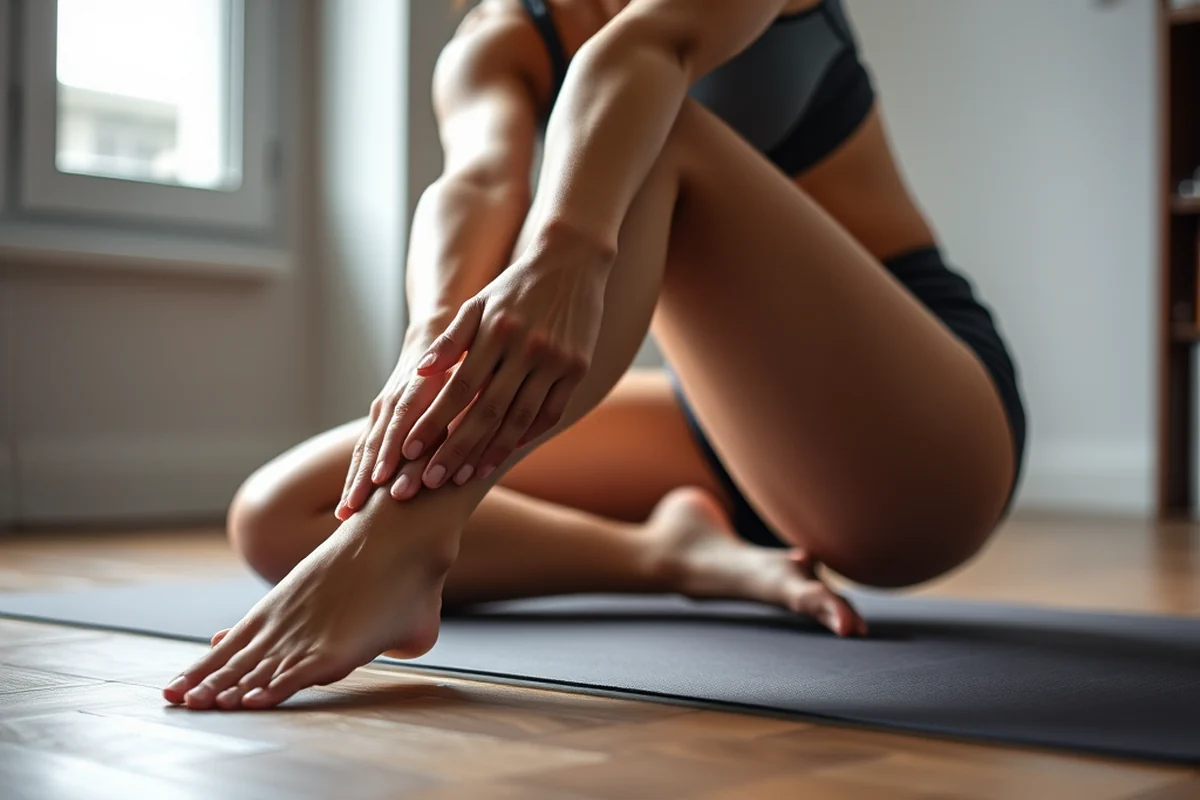
I started doing lunges after a friend recommended them for improving hip flexibility. I perform forward, reverse, and walking lunges, each targeting slightly different parts of the legs. I do 10-12 reps on each leg and repeat for 3 sets. This exercise is excellent for building functional strength, especially for daily activities like climbing stairs or walking long distances.
After a few weeks of doing lunges, I noticed that my legs felt more toned and my posture improved. I found that lunges are especially good for people who sit at a desk all day because they help open up the hips and improve circulation in the lower body.
One of the things I love about lunges is that they can be done almost anywhere. I’ve done them on grass, concrete, and even while traveling. I often do them in the morning as part of my warm-up routine, and I’ve found that my focus and energy levels increase after doing them.
Lunges: Move with purpose, not just for looks.
Related: Leg press exercise equipment
Hip Thrusts: A Game-Changer for the Glutes
I discovered hip thrusts during a physical therapy session when I was recovering from a lower back injury. I use a bench and place my back against it, then lift my hips toward the ceiling. I do 10-15 reps for 3 sets. This exercise is excellent for building a strong, rounded glute shape and improving posture.[2]
After incorporating hip thrusts into my routine for four weeks, I noticed a significant improvement in my lower back strength. I no longer feel as much discomfort after long days at work, and my glutes have become more defined. I also find that my legs feel more powerful during other exercises.
I’ve done this exercise at home using a small bench and a pillow for added comfort. It’s a low-impact exercise that doesn’t put pressure on my knees, which makes it ideal for people with joint issues or those who are just starting out.
Adding a pillow or rolled towel under your back during hip thrusts helps maintain proper form and reduce strain on the lower back.
“I used to think squats were the only way to build strong, defined legs.”— Leg Length Discrepancy Exercises editors
Related: Inner thigh muscles
Leg Curls: A Great Exercise for the Hamstrings
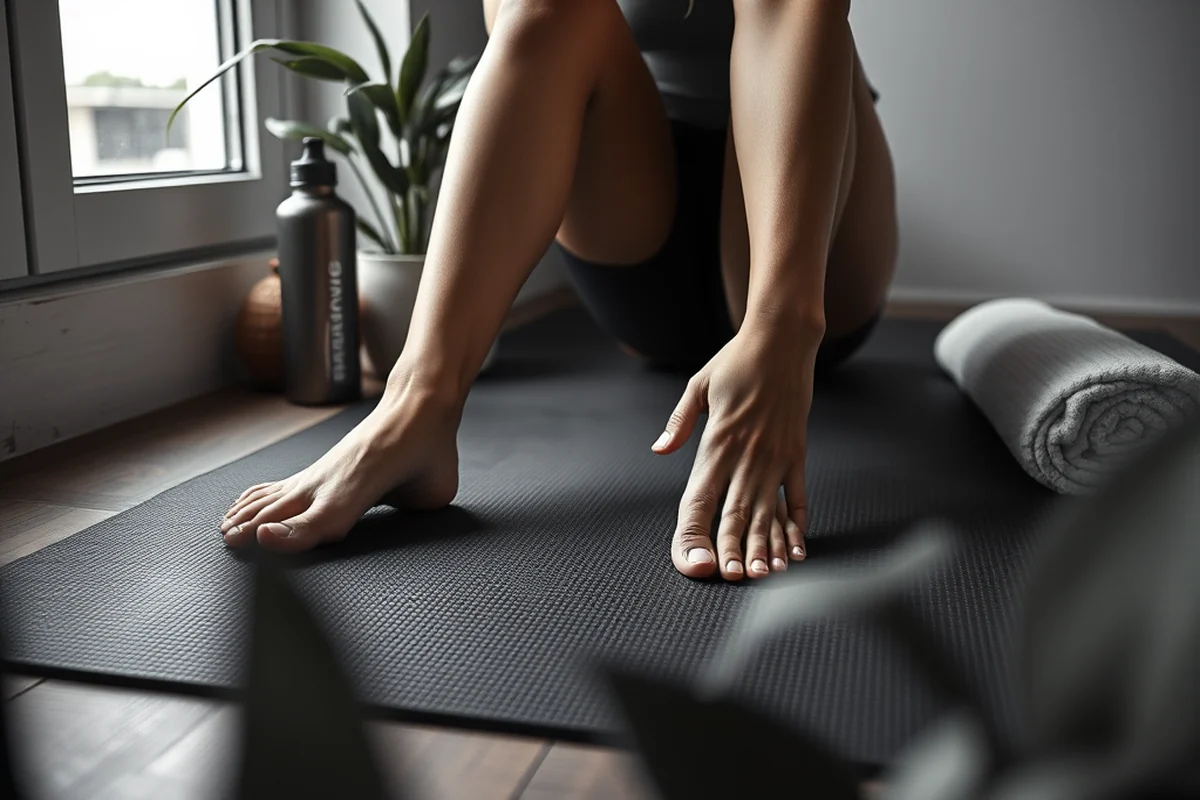
I started doing leg curls after noticing that my hamstrings were weaker than my quads. I use a machine or a resistance band and perform 10-12 reps for 3 sets. This exercise is especially good for people who have a history of hamstring strains or want to build more muscle mass in the back of the legs.
After doing leg curls for six weeks, I noticed that my hamstrings felt more balanced with the rest of my legs. My running form improved, and I felt less tightness in my lower back. I also discovered that this exercise helps with posture by strengthening the muscles that support the spine.
One of the best things about leg curls is that they can be done with minimal equipment. I’ve used a resistance band at home and a leg curl machine at the gym. I’ve also found that doing this exercise with a partner for added resistance has been a great way to build strength.
Related: What is single leg exercises
Deadlifts: A Full-Body Exercise with Leg Benefits
I used to think deadlifts were only for building back strength, but after learning more about them, I realized they're excellent for the legs as well. I use a barbell or dumbbells and perform 6-8 reps for 3 sets. This exercise is great for building overall lower-body strength and improving posture.
After doing deadlifts for a month, I noticed that my legs felt more powerful, especially during squats and lunges. I also found that my core was more engaged than ever before, which helped with my balance and stability. My back felt stronger too, and I noticed a decrease in lower back pain.
I’ve done deadlifts at the gym and even at home with dumbbells. I’ve found that using a weight that challenges me without causing strain is the key to success. My trainer recommended starting with light weights and gradually increasing the load over time.
Related: Strengthen thigh muscles
Calf Raises: A Simple Way to Build Lower Leg Strength
I used to ignore my calves until I started doing calf raises. I stand on a step or a raised platform and lift my heels until my toes are pointing upward. I do 10-15 reps for 3 sets. This exercise is excellent for building strong, defined calves and improving ankle stability.
After a few weeks of doing calf raises, I noticed that my calves looked more toned and felt more powerful. My balance also improved, and I noticed that I could stand on my toes for longer without tiring. I also found that this exercise helps with foot pain by strengthening the muscles that support the arch.
I’ve done calf raises at home with no equipment and even while standing on a curb. I usually do them at the end of my leg workouts to get an extra boost. I’ve found that doing this exercise every other day has given me the best results.
Strong calves: The unsung heroes of leg fitness.
Related: Leg workout equipment for home gym
Lateral Walks: A Unique Way to Strengthen the Outer Thighs
I discovered lateral walks during a physical therapy session to improve my hip mobility. I place my feet wide apart and walk sideways, keeping my knees slightly bent. I do 10-15 steps in each direction for 3 sets. This exercise is excellent for building strength in the outer thighs and improving balance.
After doing lateral walks for a few weeks, I noticed that my outer thighs felt more defined and my hips felt more stable. I found that this exercise was especially helpful for improving my posture and reducing hip pain. My range of motion also improved, which helped me with other leg exercises.
I’ve done lateral walks at home using a towel to keep my feet parallel and at the gym using a resistance band for added tension. I’ve found that doing this exercise with a partner or using a mirror to check my form has been the most effective way to improve my technique.
👣 Beginner-Friendly Routine
Start with bodyweight exercises like step-ups, lateral walks, and calf raises. Focus on form and consistency, and gradually increase intensity as you build strength.
💰 Budget-Friendly Option
Use household items like chairs and towels as makeshift equipment. Exercises like step-ups, hip thrusts, and lunges can be done with no cost and minimal space.
⚡ Fastest Results
Combine high-intensity moves like lunges, deadlifts, and step-ups into a circuit. Do 3 rounds of 20 reps with minimal rest to maximize muscle activation and burn fat.
🔥 Advanced Challenge
Incorporate weights and resistance bands into your routine with exercises like leg curls, hip thrusts, and lunges. Focus on controlled movements and higher intensity for maximum muscle growth.
🔄 Maintenance Routine
Stick to low-impact exercises like step-ups, lateral walks, and calf raises. Do them 2-3 times a week to maintain strength and flexibility without overexertion.
| The mistake | Why it happens | The fix |
|---|---|---|
| Doing too many reps without proper form | This can lead to injury and reduce the effectiveness of the exercise. | Focus on quality over quantity. Start with fewer reps and gradually increase as your form improves. |
| Ignoring warm-up and cool-down routines | This increases the risk of injury and can cause muscle soreness. | Always warm up for 5-10 minutes before exercising and cool down with stretching afterward. |
| Overtraining the same muscle groups | This can lead to muscle imbalances, fatigue, and overuse injuries. | Vary your exercises and allow adequate recovery time between workouts. |
| Using too much weight or resistance too soon | This can cause strain on the joints and reduce the effectiveness of the exercise. | Start with bodyweight or light resistance and gradually increase as your strength improves. |
Leg Exercises Besides Squats
Common Questions
Can I do these exercises if I have knee pain?
How often should I do leg exercises besides squats?
Are these exercises effective for building muscle?
Can I do these exercises at home without any equipment?
References
- Feasibility and Preliminary Response of a Novel Training Program ... (pmc.ncbi.nlm.nih.gov)
- Developing a Model Physical Fitness Training Program for Recruit ... (apps.usfa.fema.gov)
Cite this guide
Leg Length Discrepancy Exercises (2026). Leg Exercises Besides Squats. https://realignhelp.com/leg-exercises-besides-squats/
Feel free to cite or share this guide.